
Dilaudid (hydromorphone) is a potent prescription opioid, several times stronger than morphine, and dependence on it can develop quickly, including in people who started with a legitimate prescription for pain. Deciding to stop is a serious medical decision, and knowing the actual steps involved removes much of the fear. This guide explains how Dilaudid recovery begins in Fort Lauderdale, from the practice of Mark Leeds, D.O., an osteopathic physician with more than two decades of experience treating drug dependence.
Step One: An Honest Medical Evaluation
Recovery starts with a private conversation, not a program intake. A physician needs to understand the full picture: how much Dilaudid is being used and for how long, whether it began as pain treatment, what other medications or substances are involved, and what the patient actually wants, whether that is complete discontinuation, stabilization, or something not yet decided.
It also helps to name the condition accurately. Physical dependence means the body has adapted to the opioid and will go into withdrawal without it; this happens to pain patients who never misused a pill, and it is not the same thing as addiction. When a compulsive pattern of use is present too, both problems deserve treatment, and neither is a moral failing.
Step Two: Choose the Medical Path, Usually Buprenorphine
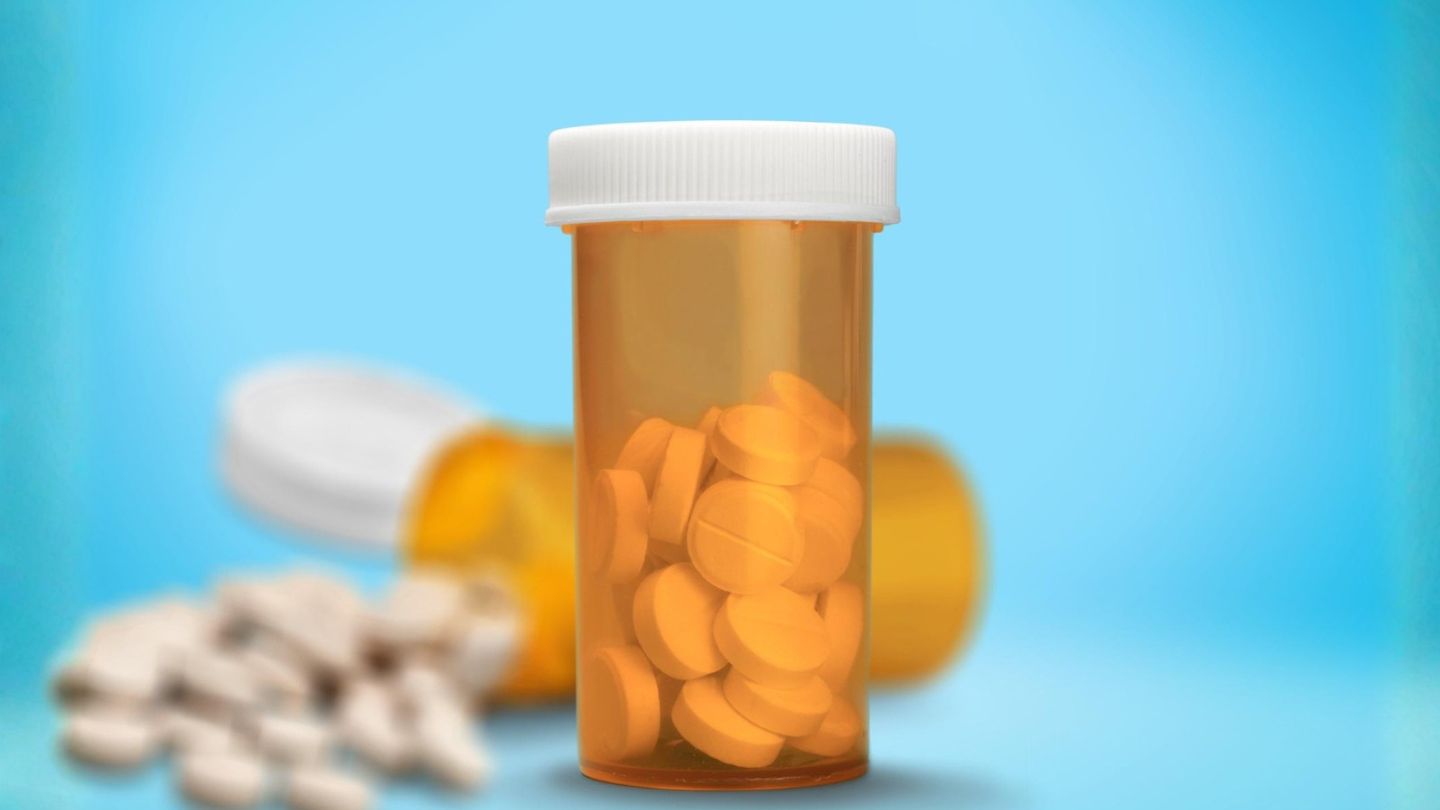
For most people with Dilaudid dependence, the safest and most effective start is medication-assisted treatment (MAT) with buprenorphine (Suboxone, ZubSolv). Buprenorphine relieves withdrawal and cravings without the dangerous respiratory depression of full opioids, and it turns a chaotic withdrawal into a manageable medical transition. For patients still taking Dilaudid, buprenorphine microdosing offers a gentler path to starting opioid treatment, building up the new medication gradually before the old one is stopped.
From there, the plan follows the patient’s goals. Some stabilize on buprenorphine for the long term; others move toward a gradual taper once life is steady. Both are legitimate. An overview of the medications used to treat opioid use disorder shows how these options compare.
Step Three: Get Through Withdrawal Safely
Unmedicated opioid withdrawal brings body aches, sweating, gastrointestinal distress, insomnia, and intense cravings. With buprenorphine, most of that is prevented rather than endured. Patients who want to understand the unassisted course can read about how long opioid withdrawal lasts and which treatments work, but the practical point is simple: no one has to prove anything by suffering through cold turkey. Abrupt cessation causes real physiological harm and sharply raises the risk of overdose if use resumes, because tolerance falls quickly.
For patients who later choose to come off buprenorphine itself, the reduction is done as a slow, patient-paced taper. The pace adjusts to the person; the challenges of opioid tapering are real, and rushing them is the most common mistake.
Step Four: Treat the Whole Person, Not Just the Opioid
Many people with opioid dependence also carry anxiety, depression, chronic pain, or the aftermath of difficult years. Recovery holds better when those are addressed as part of ongoing medical care rather than left for later. Family members can help most through patience and support, not ultimatums: cutting someone off to teach a lesson pushes them toward danger, not recovery.
Read More: How Does Addiction Affect Mental Health?
Where This Happens: Private Telemedicine, Not a Facility

Starting Dilaudid recovery in Fort Lauderdale does not require checking into a facility. Dr. Leeds provides Dilaudid addiction treatment through private concierge telemedicine, available throughout Florida, with every visit conducted directly by Dr. Leeds. There are no mandatory group meetings and no fixed timelines; treatment is built around the individual patient, on a harm reduction foundation.
The first step is a conversation. Contact Dr. Leeds today to talk through where you are and what a safe start would look like.