
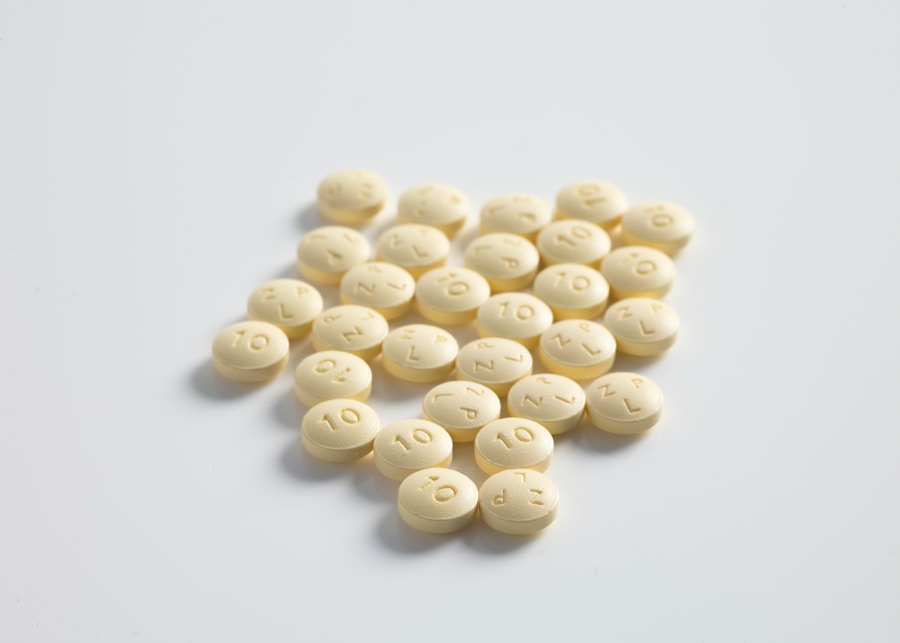
Suboxone, or buprenorphine combined with naloxone, is a film that dissolves under the tongue and treats opioid dependence, and the same combination also comes as a generic tablet. Buprenorphine holds on to the opioid receptor and keeps withdrawal and cravings away without the high, and it does that on its own terms, with or without a counseling program wrapped around it. Naloxone is there to make the film unattractive to inject, and taken under the tongue as intended, little of it is absorbed.
Dr. Leeds is an osteopathic physician and deprescribing specialist with over two decades of experience treating medication and drug dependence and addiction, including opioid dependence. Patients ask about old Suboxone more often than you might expect: a strip found in a jacket pocket, a carton left over from a taper that ended a year ago, a film that fell out of its pouch last week.
So, can Suboxone expire? Is an expired strip dangerous? And, if you find one, should you take two to be safe? The short answers are yes, not in the way you think, and never.
Does Suboxone expire?
Like many pharmaceuticals, Suboxone does have an expiration date, which is typically printed on the packaging. That date is the manufacturer’s promise that a film stored the way the label says, at room temperature and sealed in its pouch, will deliver its full dose. After the date, the promise ends.
Yet, the promise ending is not the same as the drug turning dangerous. Buprenorphine does not become a poison at midnight on the last day of the month. It loses strength slowly, and nobody can tell you how much a particular strip has lost, because that depends on how it was kept.
The risk of an old Suboxone strip is not what it does to you. The risk is what it fails to do. A weak strip is a short dose, and a short dose is withdrawal waiting to happen, so expiration is a potency question, not a toxicity question.
Do Suboxone strips dry out?
Yes, and quickly. Each film is sealed in its own child-resistant foil pouch, and the label says not to open the pouch until you are ready to take the film. Out of the foil, a film typically curls, stiffens, and turns brittle within a day or two.
Does that mean the medicine has gone bad? Probably not. Drying is water leaving the film, not buprenorphine leaving it, and a film that has gone brittle in a drawer most likely still holds most of its dose. What changes is how it behaves in the mouth: a dried film dissolves unevenly and can take longer to melt, so the dose becomes less predictable.
Why does the question come up at all? In practice, because patients cut films during a taper, and the other half sits out of its pouch until the next dose. The label says to take the film whole. If you and your doctor have agreed on a plan that involves cutting, the leftover piece belongs back in its pouch, folded shut, and it should be taken at the next dose rather than saved for the week.
Heat and humidity are what actually degrade buprenorphine. A dry film is mostly a cosmetic problem, and a film that has been kept in heat for weeks is a different matter.
How to tell if Suboxone has expired
Start with the date, which is printed on the carton and usually on each foil pouch as a month and year. If the date has passed, the manufacturer’s promise has passed with it, even when the film inside looks perfect.
Then look at the film itself. A film that has been kept properly lies flat in its pouch, looks the way it did when it was dispensed, and dissolves the way it always has. A film that is sticky, fused to the inside of the foil, curled hard, or darkened at the edges has been through heat or moisture, whatever the date says.
While a date on a pouch is a fact, the condition of the film is a judgment. When you are not sure, the pharmacist who dispensed it can tell you when it was filled, and your prescriber can tell you whether to take it. Ask before you take it.
What happens if you take expired Suboxone?
Most of the time, nothing dramatic happens. An expired strip that was stored well probably delivers close to a full dose, an expired strip that was stored in heat delivers less, and you will not be poisoned by either one.
What you may notice, hours later, is the dose running out early. Yawning, a runny nose, sweating, restlessness, anxiety, and a craving that was not there yesterday are the early signs of opioid withdrawal, and a weak strip produces exactly that picture. Patients often describe it as the medicine suddenly not working.
While that feeling frightens people, it is worth understanding. Withdrawal from a short dose does not mean you are addicted to Suboxone. It means you are physically dependent on a medicine that has been doing its job, and physical dependence is not addiction. In fact, dependence is nothing more than the receptor expecting its medicine on schedule.
The danger is what a person does next. Someone who has been stable for a year and then wakes up in withdrawal may reach for whatever is available, and what is sold on the street now is mostly fentanyl. If you took an old strip and feel withdrawal coming on, call your prescriber that day. Do not solve it on your own.
Proper storage of Suboxone
The label asks for room temperature, 77°F or 25°C, with short excursions between 59°F and 86°F allowed, and it asks you to keep each film in its sealed pouch until the moment you use it. That is the whole instruction on temperature. There is no refrigerator step, no desiccant, and no special container.
Where should the carton live? Not in the bathroom, which takes a hot shower’s worth of steam every morning, and not in a car, which is an oven in the sun. A bedroom drawer or a closed box on a closet shelf does the job.
Still, a lockbox is worth thinking about if there are children in the house. The label warns that buprenorphine can cause severe and possibly fatal breathing suppression in a child who is accidentally exposed to it. One film is enough, and a child who gets into one is a 911 call, not a wait-and-see.
A sticky film, or one stuck to its foil, has been too warm. Keep the carton cool, dry, closed, and out of reach.
Can expired Suboxone be harmful?
In itself, probably not. There is no reason to think an old film turns into something toxic, and a weak dose of buprenorphine is still buprenorphine. The harm is indirect, and it runs through the withdrawal described above and through what a person does about it.
Of course, one warning applies whether the film is old or new. The label is blunt that combining buprenorphine with benzodiazepines, alcohol, or other sedatives raises the risk of slowed breathing, overdose, and death. An expired strip does not add a new interaction, and it does not remove the old one.
An analogy that might help is the battery in a smoke detector. Nobody worries that an old battery will explode. The worry is that the detector goes quiet, and you do not find out until there is smoke. While a strip is not a battery, the logic is the same, and nothing warns you that the strip is weak until the withdrawal does.
What should you do if you find an old Suboxone strip?
Do not take two strips to make up for a weak one. While the old strip may be perfectly fine, you cannot know that by looking at it, so doubling it is a guess in both directions, too little if the strip is dead and a full double dose if it is not. The label says the same thing about missed doses: do not take two doses at once unless your prescriber tells you to.
Going back to the smoke detector, you do not stack two half-dead batteries and hope. You replace the battery. With medicine, replacing it means a call to the prescriber, who can decide whether the strip is usable, send a new prescription, or adjust the plan.
Or, are you no longer taking buprenorphine at all? Then do not take it. Buprenorphine started while a full opioid is still in your system can precipitate withdrawal, which is why the label says to begin only when clear signs of withdrawal are already present. That is a decision for a doctor on the phone with you, not for a strip in a drawer.
Call first.
How to dispose of expired Suboxone
A take-back option comes first. Many pharmacies and police stations have a drop box, and some pharmacies hand out prepaid mail-back envelopes. Suboxone can go in either one.
If no take-back option is available, the FDA gives buprenorphine a different instruction than it gives most medicines: flush it. Buprenorphine is on the FDA Flush List because a single dose can be deadly to a child, a pet, or anyone else in the house who finds it. The Suboxone label repeats the instruction and adds a detail: take the film out of its foil pouch and flush the film, and do not flush the pouch.
While the coffee grounds and cat litter method works for most medicines, it is wrong for this one. That method is for medicines that are not on the flush list, and a film in the kitchen trash is still a full dose to a toddler and an easy target for anyone looking for one. And, scratch out your name and prescription number on the empty carton before it goes out.
The FDA is not usually in the business of telling people to flush medicine. For this one, it is.
The importance of checking Suboxone expiration dates
An old strip is rarely just an old strip. It is a refill that lapsed, a taper that paused, or a stretch of months when the medicine was not being taken on schedule, and each of those is a conversation your doctor would want to have with you.
Unfortunately, patients often hide these things, because somewhere along the way they learned that a doctor’s office is a place to be judged. A prescriber who treats opioid dependence has heard every version of the found strip, the lost carton, and the film that fell out of the pouch. Your doctor wants to hear from you, so do not worry about being a nuisance.
Check the date when the pharmacy hands you the carton, keep the films in their foil, and put the carton somewhere cool and closed. Beyond that, the calendar is your doctor’s problem as much as yours. An old strip can be replaced, and so can the plan, as long as your doctor hears from you.
Dr. Leeds treats opioid dependence with buprenorphine films and tablets by telemedicine for new patients throughout Florida, with in-office visits available in Fort Lauderdale. Patients start at home with phone support during induction, and he uses a low-dose initiation when fentanyl is involved. There are no mandatory groups and no counseling requirement, and Dr. Leeds counsels his patients himself as part of their medical care.
If you have questions about buprenorphine treatment, or about a prescription you are not sure of, contact the office to schedule a consultation.
This article is educational. It is not medical advice, and reading it does not create a doctor-patient relationship. Decisions about starting, continuing, or tapering any medication should be made with your own physician.


