Benzodiazepines are a class of medications commonly prescribed for anxiety, insomnia, and various other conditions. They work by enhancing the effect of the neurotransmitter gamma-aminobutyric acid (GABA) in the brain, leading to a calming effect. However, prolonged use can lead to physical dependence, and when individuals attempt to discontinue their use, they may experience withdrawal symptoms.
The withdrawal process can be both physically and psychologically challenging, often manifesting as anxiety, insomnia, irritability, and in severe cases, seizures. The timeline for withdrawal symptoms can vary significantly depending on the specific benzodiazepine used, the duration of use, and the dosage. The withdrawal symptoms can begin as early as a few hours after the last dose for short-acting benzodiazepines, while longer-acting varieties may delay the onset of symptoms.
The acute phase of withdrawal typically lasts from a few days to several weeks, but some individuals may experience protracted withdrawal symptoms that can persist for months or even years. This phenomenon is often referred to as post-acute withdrawal syndrome (PAWS), which can include persistent anxiety, mood swings, and cognitive difficulties. Understanding the complexities of benzodiazepine withdrawal is crucial for those seeking to taper off these medications safely and effectively.
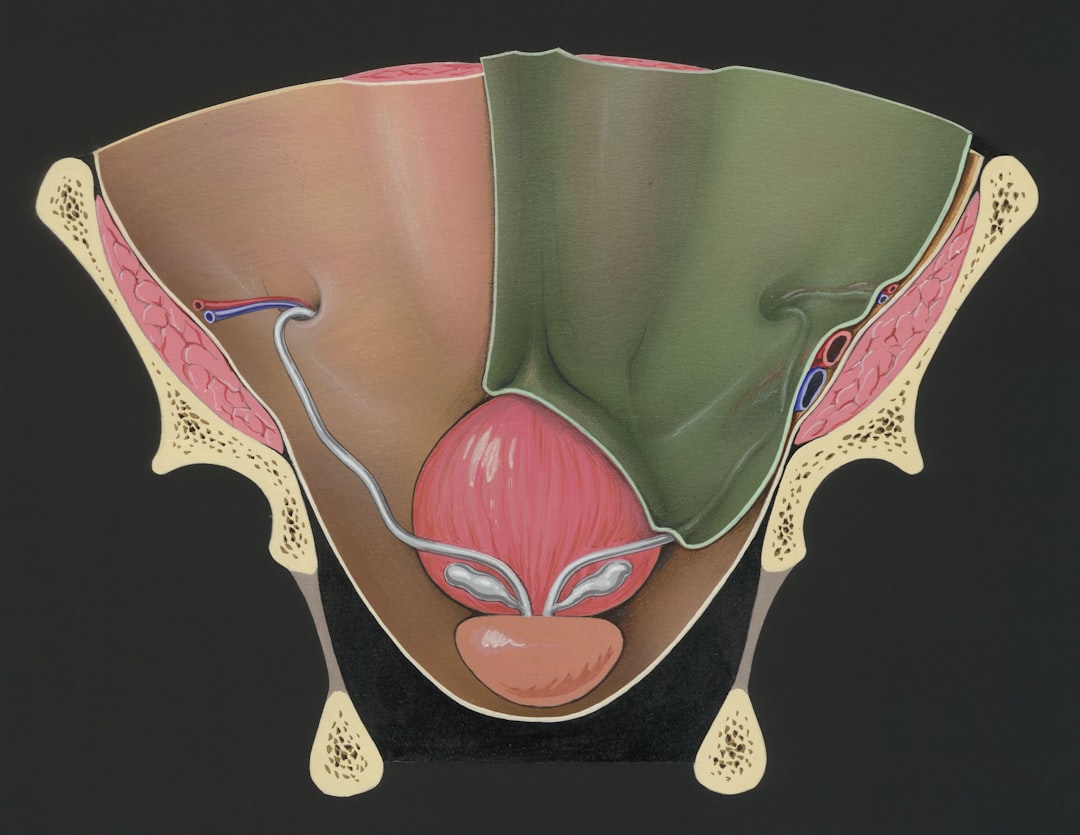
Exploring Benign Prostate Hyperplasia (BPH)
Benign Prostate Hyperplasia (BPH) is a common condition affecting older men, characterized by the non-cancerous enlargement of the prostate gland. As men age, hormonal changes can lead to an increase in prostate size, which may compress the urethra and obstruct urine flow. This condition is not only prevalent but also significantly impacts the quality of life for many men, leading to a range of urinary symptoms that can be bothersome and disruptive.
One warning stands above everything else: never stop a benzodiazepine suddenly, and never let a taper turn into an abrupt stop. Sudden discontinuation can trigger seizures and can be life-threatening. However a taper is shaped, it should be gradual and medically supervised.
The exact cause of BPH remains unclear, but it is believed to be linked to hormonal changes associated with aging. The prevalence of BPH increases with age; studies indicate that approximately 50% of men in their 50s and up to 90% of men in their 80s experience some degree of prostate enlargement. Symptoms can vary widely among individuals but often include frequent urination, especially at night (nocturia), difficulty starting or stopping urination, weak urine flow, and a sensation of incomplete bladder emptying.
While BPH is not cancerous and does not increase the risk of prostate cancer, its symptoms can lead to significant discomfort and may require medical intervention ranging from lifestyle changes to surgical procedures.
The Link Between Benzodiazepine Withdrawal and BPH
The relationship between benzodiazepine withdrawal and BPH is an area that warrants further exploration, particularly as both conditions are prevalent among older men. Benzodiazepine withdrawal does not enlarge the prostate, and no causal link between withdrawal and BPH has been shown. Urinary difficulties are, however, a recognized symptom of benzodiazepine withdrawal in their own right. The Ashton Manual lists them among the physical withdrawal symptoms, and men in tolerance, tapering, or withdrawal commonly report frequency, urgency, hesitancy, and nighttime urination with a prostate that turns out to be normal for their age. The likely mechanism is the same one behind the rest of the withdrawal syndrome: an overactive nervous system and tense pelvic floor muscles as the calming effect of GABA is withdrawn.
Moreover, benzodiazepines are often prescribed to manage anxiety and sleep disturbances that can accompany BPH symptoms. When individuals withdraw from these medications, they may experience heightened anxiety levels that could further complicate their ability to manage BPH symptoms effectively. This interplay suggests that men experiencing both conditions may face unique challenges that require a comprehensive approach to treatment.
Understanding this connection is essential for healthcare providers when developing treatment plans for patients dealing with both benzodiazepine withdrawal and BPH.
Symptoms of BPH in Men
The symptoms of BPH can significantly impact daily life and overall well-being. One of the most common complaints is increased frequency of urination, particularly during the night, which can disrupt sleep patterns and lead to fatigue during the day. This nocturia can be particularly distressing for older men who may already be dealing with other health issues.
Additionally, many men report difficulty initiating urination or a weak urine stream, which can lead to frustration and embarrassment. Other symptoms include a sense of urgency to urinate that may not always be manageable, resulting in accidents or near misses. Some men also experience a feeling of incomplete bladder emptying after urination, which can lead to repeated trips to the bathroom shortly after voiding.
In more severe cases, BPH can lead to urinary retention, where the bladder cannot empty completely, necessitating medical intervention. These symptoms not only affect physical health but can also have psychological implications, leading to anxiety and social withdrawal as men seek to avoid situations where they might not have immediate access to a restroom.
Managing Benzodiazepine Withdrawal and BPH Simultaneously
Managing benzodiazepine withdrawal while dealing with BPH presents a unique set of challenges that require careful consideration and a tailored approach. For individuals undergoing benzodiazepine withdrawal, it is crucial to have a structured tapering plan in place under medical supervision. Gradual reduction in dosage can help mitigate withdrawal symptoms while allowing individuals to maintain some level of stability in their daily lives.
This process may involve alternative medications or therapies aimed at managing anxiety and sleep disturbances without relying on benzodiazepines. Simultaneously addressing BPH symptoms is equally important during this period. Lifestyle modifications such as dietary changes—reducing caffeine and alcohol intake—can help alleviate urinary symptoms associated with BPH.
Additionally, pelvic floor exercises may improve bladder control and reduce urgency. Healthcare providers may also consider medications specifically designed for BPH management that do not interfere with benzodiazepine withdrawal. This dual approach requires collaboration between urologists and mental health professionals to ensure that both conditions are managed effectively without exacerbating either issue.
Seeking Professional Help for Benzodiazepine Withdrawal and BPH
Comprehensive Assessments and Multidisciplinary Approaches
Healthcare providers can offer comprehensive assessments that take into account both mental health needs and urological health. A urologist can rule out prostate disease, infection, or retention, while the physician supervising the taper treats the urinary symptoms as what they usually are: part of the withdrawal syndrome, managed by slowing the taper and giving the nervous system time.
Emotional Support and Coping Mechanisms
Physical dependence on a prescribed benzodiazepine is not addiction, and addiction recovery programming is not the right fit for it. Support from others who have been through benzodiazepine withdrawal, and from a therapist who understands withdrawal, can still be valuable during this period. These resources can help individuals cope with anxiety and stress while also addressing any feelings of isolation that may arise from their experiences with BPH.
Regular Follow-ups and Effective Symptom Management
Furthermore, regular follow-ups with healthcare providers can ensure that any emerging symptoms are promptly addressed and managed effectively.
Lifestyle Changes to Support Recovery from Benzodiazepine Withdrawal and BPH
Incorporating lifestyle changes can play a significant role in supporting recovery from both benzodiazepine withdrawal and BPH symptoms. Regular physical activity has been shown to improve overall well-being and can help alleviate some anxiety associated with withdrawal. Exercise releases endorphins, which act as natural mood lifters, potentially reducing reliance on medications for anxiety management.
Additionally, maintaining a healthy weight through diet and exercise can positively impact prostate health by reducing pressure on the bladder. Dietary modifications are also crucial; consuming a balanced diet rich in fruits, vegetables, whole grains, and healthy fats can support overall health while potentially alleviating some urinary symptoms associated with BPH. Staying hydrated is important but should be balanced with timing fluid intake to minimize nocturia.
Mindfulness practices such as yoga or meditation can also be beneficial in managing stress levels during benzodiazepine withdrawal while promoting relaxation and improving sleep quality.
Addressing Benzodiazepine Withdrawal and BPH in Men
Addressing benzodiazepine withdrawal alongside benign prostate hyperplasia requires a nuanced understanding of both conditions and their interplay in men’s health. The challenges posed by each condition necessitate a comprehensive approach that includes medical intervention, lifestyle modifications, and emotional support systems. By recognizing the potential links between these two issues, healthcare providers can better assist patients in navigating their recovery journeys while improving their quality of life.
As awareness grows regarding the complexities of managing benzodiazepine withdrawal and BPH simultaneously, it becomes increasingly important for men experiencing these challenges to seek professional help. With appropriate support and resources, individuals can work towards recovery while effectively managing their urinary symptoms, ultimately leading to improved overall health outcomes.
This article is educational. It is not medical advice, and reading it does not create a doctor-patient relationship. Decisions about starting, continuing, or tapering any medication should be made with your own physician.