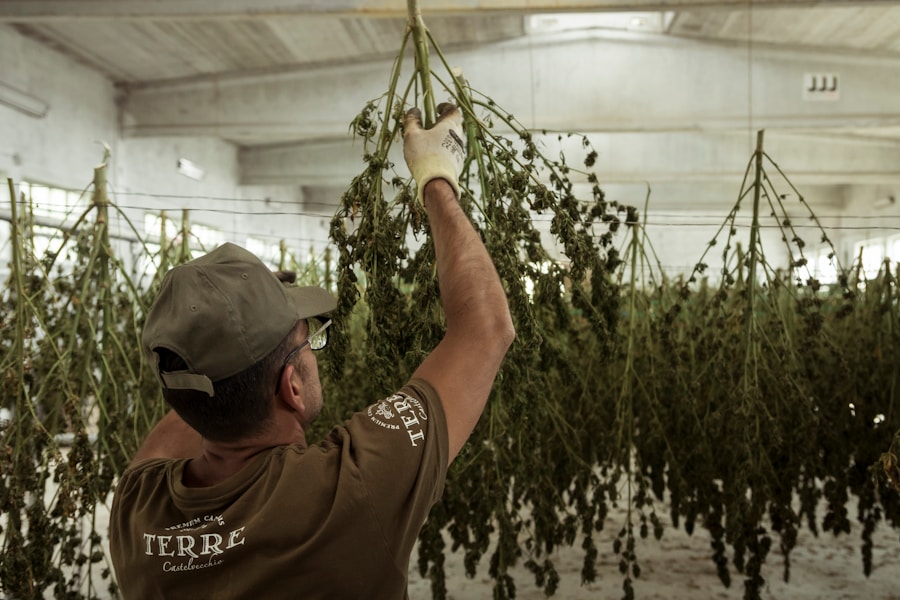
Hemp extract is derived from the hemp plant, a variety of Cannabis sativa that is cultivated specifically for industrial and medicinal purposes. Unlike its more infamous cousin, marijuana, hemp contains low levels of tetrahydrocannabinol (THC), the psychoactive compound responsible for the “high” associated with cannabis use. Hemp extract is rich in cannabidiol (CBD), a non-psychoactive compound that has gained significant attention for its potential therapeutic benefits.
These benefits range from alleviating anxiety and chronic pain to improving sleep quality and reducing inflammation. The extraction process typically involves using solvents or CO2 to isolate the desired compounds, resulting in a concentrated oil that can be used in various forms, including tinctures, capsules, and topical applications. The growing popularity of hemp extract has led to an increase in its availability in health stores, online retailers, and even some pharmacies.
However, the lack of regulation in the industry means that the quality and purity of hemp extracts can vary significantly. Consumers must be vigilant about sourcing products from reputable manufacturers who provide third-party lab testing results to ensure that their products are free from contaminants and accurately labeled regarding their cannabinoid content. Understanding the nuances of hemp extract is crucial for consumers who wish to harness its potential benefits while being aware of the implications it may have concerning drug testing.
Drug Testing and Hemp Extract
How Drug Tests Work
Drug tests typically screen for THC metabolites, which can linger in the body long after the psychoactive effects have worn off. As a result, even those who use hemp extract responsibly may find themselves facing unexpected consequences.
The Legal Landscape
The 2018 Farm Bill legalized hemp cultivation and the sale of hemp-derived products in the United States, provided they contain less than 0.3% THC by dry weight. However, this legal threshold does not guarantee that all hemp extract products will remain below this limit, especially if they are poorly manufactured or improperly labeled.
Navigating the Consequences
Consequently, individuals using these products must navigate a minefield of potential legal and employment-related repercussions stemming from drug testing.
Types of Drug Tests
Drug testing can take several forms, each with its own methodology and detection windows. The most common types include urine tests, blood tests, saliva tests, and hair follicle tests. Urine tests are the most widely used due to their cost-effectiveness and ease of administration.
These tests can detect THC metabolites for several days to weeks after use, depending on factors such as frequency of use and individual metabolism. Blood tests are less common but can provide a more immediate snapshot of recent drug use, as THC is detectable in the bloodstream for a shorter duration. Saliva tests are increasingly being used for on-site testing due to their convenience; however, they typically have a shorter detection window compared to urine tests.
Hair follicle tests are known for their ability to detect drug use over an extended period—up to 90 days—making them a preferred choice for employers seeking a comprehensive history of substance use. Each type of test has its own sensitivity levels and detection thresholds, which can influence whether or not a person using hemp extract will test positive for THC.
THC Content in Hemp Extract
The THC content in hemp extract is a critical factor that can influence drug test outcomes. According to federal regulations, hemp-derived products must contain less than 0.3% THC by dry weight to be classified as legal hemp. However, this threshold does not account for variations in product formulation or potential contamination during manufacturing processes.
Some products may inadvertently contain higher levels of THC due to cross-contamination with marijuana during cultivation or processing, or because of inaccurate labeling practices. Consumers should be aware that full-spectrum hemp extracts contain a range of cannabinoids, including trace amounts of THC, while broad-spectrum extracts have had most THC removed but may still contain other cannabinoids. Isolate products contain only CBD with no other cannabinoids present.
For individuals concerned about drug testing, opting for CBD isolate may seem like a safer choice; however, even full-spectrum products can lead to positive test results due to the entourage effect—where various cannabinoids work synergistically to enhance their effects. This complexity underscores the importance of understanding product labels and seeking out third-party lab results that confirm cannabinoid profiles.
Factors Affecting Drug Test Results
Several factors can influence the likelihood of testing positive for THC after using hemp extract. One significant factor is individual metabolism; people metabolize substances at different rates based on genetics, body composition, and overall health. For instance, individuals with faster metabolisms may process THC more quickly than those with slower metabolisms, potentially reducing the detection window in drug tests.
Frequency and amount of use also play crucial roles in determining drug test outcomes. Occasional users may clear THC from their systems within a few days, while regular users may retain detectable levels for weeks or even months after cessation. Additionally, hydration levels can impact urine concentration; more diluted urine may result in lower concentrations of THC metabolites, potentially affecting test results.
Other factors such as body fat percentage can also influence how long THC remains detectable since THC is lipophilic and tends to accumulate in fatty tissues.
Legal Considerations
Navigating the legal landscape surrounding hemp extract requires an understanding of both federal and state laws. The 2018 Farm Bill legalized hemp cultivation and the sale of hemp-derived products at the federal level, but states have the authority to impose their own regulations regarding the sale and use of these products. Some states have stricter laws regarding THC content or may prohibit certain forms of hemp extract altogether.
Moreover, employers may have their own policies regarding drug testing and substance use that go beyond state laws. In many cases, companies reserve the right to terminate employees who test positive for THC, regardless of whether it was derived from legal hemp or illegal marijuana. This creates a precarious situation for individuals who use hemp extract for legitimate health reasons but find themselves at risk of losing their jobs due to positive drug test results.
Tips for Using Hemp Extract and Passing Drug Tests
For individuals who wish to use hemp extract while minimizing the risk of failing a drug test, several strategies can be employed. First and foremost, it is essential to choose high-quality products from reputable manufacturers that provide third-party lab testing results. These results should confirm that the product contains less than 0.3% THC and accurately reflect its cannabinoid profile.
Another important consideration is dosage; using lower doses may reduce the likelihood of accumulating detectable levels of THC in the body. Additionally, opting for CBD isolate products can provide therapeutic benefits without the risk associated with THC exposure. Individuals should also be mindful of their consumption frequency; limiting use to occasional doses rather than daily consumption can help mitigate detection risks.
Staying informed about the specific drug testing policies at one’s workplace or in competitive sports is crucial as well. Understanding the types of tests being administered and their detection windows can help users make informed decisions about when to consume hemp extract relative to upcoming tests.
Navigating Hemp Extract and Drug Tests
The intersection of hemp extract use and drug testing presents a complex landscape filled with potential pitfalls for consumers seeking therapeutic benefits from these products. While hemp extract offers promising health advantages due to its rich cannabinoid profile—primarily CBD—individuals must remain vigilant about the implications it may have concerning drug testing protocols. By understanding the nuances of THC content, types of drug tests, and factors influencing test results, consumers can make informed choices about their use of hemp extract while navigating legal considerations effectively.
As the industry continues to evolve and regulations become more defined, it is essential for users to stay educated about their options and responsibilities regarding hemp extract consumption. By prioritizing quality sourcing, mindful usage practices, and awareness of workplace policies, individuals can enjoy the benefits of hemp extract while minimizing risks associated with drug testing.