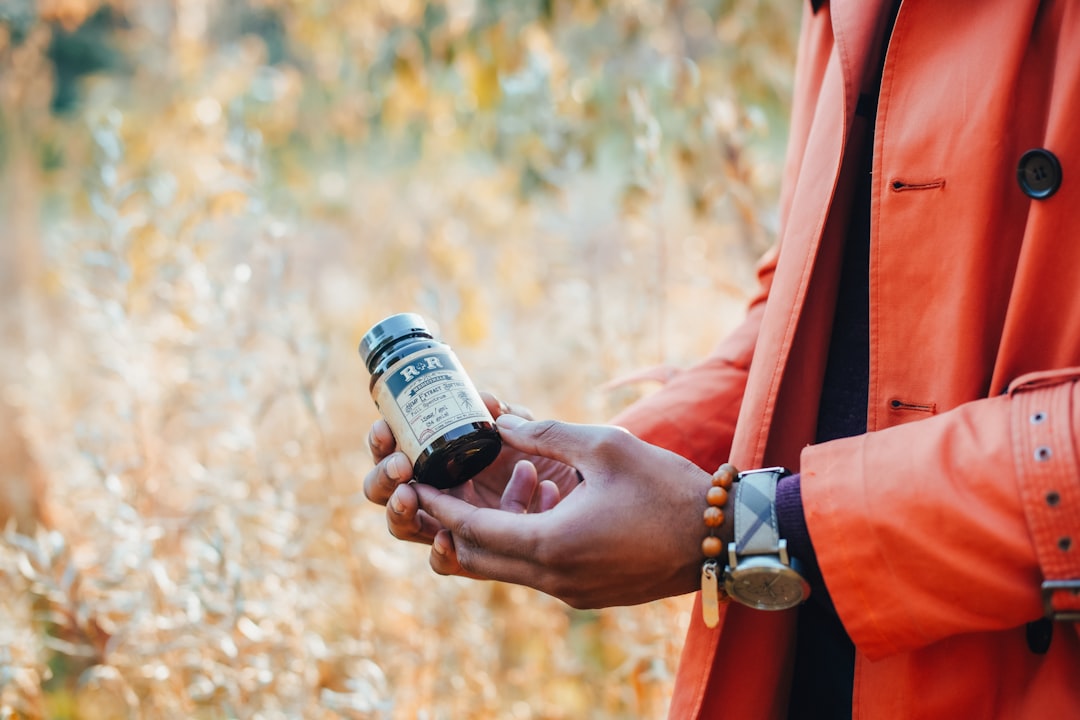
At 29, Zinnia, a dedicated social worker, found herself in a relentless battle against fibromyalgia, a condition that had gradually taken control of her life. For years, she endured widespread pain, debilitating fatigue, and cognitive fog that made her daily tasks feel insurmountable. Despite her commitment to helping others, Zinnia often felt trapped in her own body, relying heavily on conventional pain medications that provided minimal relief and left her feeling numb and disconnected. After a particularly challenging year, marked by mounting frustration and a sense of hopelessness, Zinnia decided to explore alternative treatments. A conversation with a friend led her to consider CBD oil, an option she had previously dismissed as trendy but now felt compelled to try.
With cautious optimism, Zinnia started with a low dose of full-spectrum CBD oil, meticulously tracking her symptoms and experiences. Within a few weeks, she experienced a remarkable shift; her pain levels began to subside, her energy levels improved, and her mood lifted. For the first time in what felt like ages, Zinnia was able to engage fully in her work and personal life, attending social gatherings and participating in community events that had once felt impossible. While she remained aware of the ongoing research and variability in individual responses to CBD, Zinnia’s journey illuminated the importance of personalized approaches to managing chronic conditions. Her story exemplifies resilience and the power of advocating for one’s health. If Zinnia’s experience resonates with you, we invite you to reach out via our website contact form for further discussion and support.
Cannabidiol, commonly known as CBD, is a compound derived from the cannabis plant. Unlike its more famous counterpart, tetrahydrocannabinol (THC), CBD does not produce the psychoactive effects typically associated with marijuana. This distinction has made CBD oil increasingly popular among individuals seeking relief from various ailments without the high.
CBD oil is typically extracted from hemp, a variety of cannabis that contains low levels of THC, and is often diluted with a carrier oil, such as coconut or hemp seed oil, to enhance its absorption and effectiveness. The extraction process can vary, leading to different formulations of CBD oil available on the market. Full-spectrum CBD oil contains a range of cannabinoids and terpenes found in the cannabis plant, while broad-spectrum CBD oil includes multiple cannabinoids but is THC-free.
Isolate CBD oil, on the other hand, contains only pure CBD. Understanding these differences is crucial for consumers, as each type may offer distinct benefits and effects. As interest in CBD continues to grow, it is essential to approach its use with a well-informed perspective.
The Benefits of CBD Oil
Mental Health Benefits
Research suggests that CBD may interact with serotonin receptors in the brain, potentially improving mood and emotional regulation. However, it is essential to note that results can vary widely among individuals.
Pain Management
In addition to mental health benefits, CBD oil has garnered attention for its potential role in pain management. Many users report experiencing relief from chronic pain conditions such as arthritis or fibromyalgia after incorporating CBD into their routines.
Understanding the Benefits
The anti-inflammatory properties attributed to CBD may contribute to its pain-relieving effects, as inflammation is often a significant factor in pain perception. While anecdotal evidence abounds, more rigorous clinical trials are needed to fully understand the extent of these benefits and how they may differ from person to person.
The Risks and Side Effects of CBD Oil
While many people find relief through the use of CBD oil, it is essential to acknowledge that it is not without risks and potential side effects. Some users may experience mild side effects such as fatigue, changes in appetite, or gastrointestinal discomfort. These reactions can vary based on individual sensitivity and dosage.
It is crucial for users to listen to their bodies and consult healthcare professionals if they experience any adverse effects. Moreover, the lack of regulation in the CBD market can lead to inconsistencies in product quality and potency. Some products may contain higher levels of THC than advertised or may be contaminated with harmful substances.
This underscores the importance of purchasing CBD oil from reputable sources that provide third-party lab testing results. By being vigilant about product quality, consumers can mitigate some of the risks associated with using CBD oil.
Legal Considerations for Using CBD Oil
The legal landscape surrounding CBD oil can be complex and varies significantly by region. In many places, CBD derived from hemp containing less than 0.3% THC is legal at the federal level in the United States; however, state laws may differ. Some states have embraced CBD use more fully than others, while some have imposed restrictions or outright bans.
It is vital for individuals considering CBD oil to familiarize themselves with local laws to avoid potential legal issues. Additionally, the evolving nature of cannabis legislation means that regulations can change rapidly. Keeping abreast of these changes is essential for anyone interested in using CBD oil.
Engaging with local advocacy groups or resources can provide valuable insights into the current legal status of CBD in your area and help ensure that you are making informed choices.
How to Use CBD Oil Safely
Using CBD oil safely involves several considerations that empower individuals to make informed decisions about their health. First and foremost, starting with a low dose and gradually increasing it allows users to gauge their body’s response without overwhelming it. This approach can help minimize potential side effects while determining the optimal dosage for individual needs.
It is also advisable to consult with a healthcare professional before starting any new supplement regimen, especially for those who are pregnant, nursing, or taking other medications. A healthcare provider can offer personalized guidance based on individual health conditions and medication interactions. Additionally, keeping a journal to track dosage, effects, and any side effects can provide valuable insights over time and help refine usage strategies.
The Differences Between CBD and THC
Understanding the differences between CBD and THC is crucial for anyone considering their use. While both compounds are cannabinoids found in cannabis plants, they interact with the body’s endocannabinoid system in distinct ways. THC is primarily known for its psychoactive effects, which can lead to feelings of euphoria or altered perception.
In contrast, CBD does not produce these effects and is often sought after for its potential therapeutic benefits without the high. This fundamental difference makes CBD an appealing option for those who wish to avoid the intoxicating effects of THC while still seeking relief from various conditions. However, it is important to recognize that some individuals may prefer full-spectrum products that contain both cannabinoids for what is known as the “entourage effect,” where the compounds work synergistically to enhance overall benefits.
Ultimately, understanding personal preferences and health goals will guide individuals in choosing between these two cannabinoids.
CBD Oil and Mental Health
The relationship between CBD oil and mental health has become a focal point of research and discussion in recent years. Many individuals report using CBD as a natural alternative to traditional medications for anxiety and depression. Preliminary studies suggest that CBD may have anxiolytic (anxiety-reducing) properties, potentially making it a viable option for those seeking relief from these conditions.
However, while anecdotal evidence supports these claims, it is essential to approach this topic with caution. The scientific community continues to explore the complexities of how CBD interacts with mental health conditions. Individual responses can vary significantly; what works for one person may not work for another.
Therefore, it is crucial for individuals to remain open-minded yet critical when considering CBD as part of their mental health strategy.
Read more: How Suboxone Impacts Mental Health and Personality?
CBD Oil and Pain Management
Pain management is another area where CBD oil has gained traction as a potential therapeutic option. Many users report significant relief from chronic pain conditions such as arthritis or neuropathic pain after incorporating CBD into their treatment plans. The anti-inflammatory properties attributed to CBD may play a role in reducing pain perception by addressing underlying inflammation.
Despite these promising reports, it is important to recognize that research on CBD’s effectiveness for pain management is still evolving. While some studies indicate positive outcomes, others yield mixed results. This variability highlights the need for further research to establish standardized dosing guidelines and understand how different individuals respond to treatment.
As always, consulting with healthcare professionals can provide valuable insights tailored to individual circumstances.
CBD Oil and its Effects on the Body
The effects of CBD oil on the body are multifaceted and can vary widely among individuals. When consumed, CBD interacts with the endocannabinoid system (ECS), which plays a crucial role in regulating various physiological processes such as mood, sleep, appetite, and immune response. By influencing this system, CBD may help restore balance within the body.
However, it is essential to acknowledge that not everyone will experience the same effects from using CBD oil. Factors such as individual biochemistry, dosage, method of consumption (e.g., tinctures, capsules, edibles), and even lifestyle choices can all influence how one responds to CBD. This variability underscores the importance of personalized approaches when considering its use.
Read more: Environmental Factors That Can Affect Your Mood
The Future of CBD Oil Research
As interest in CBD oil continues to grow, so does the need for rigorous scientific research to better understand its potential benefits and limitations. Current studies are exploring various aspects of CBD use—from its efficacy in treating specific medical conditions to its long-term safety profile. This research is vital for establishing evidence-based guidelines that can inform consumers and healthcare providers alike.
Moreover, as regulations surrounding cannabis products evolve, researchers will have greater opportunities to conduct large-scale clinical trials that could provide more definitive answers about the therapeutic potential of CBD oil. The future of this field holds promise; however, it also requires patience as we await more comprehensive findings that can guide informed decision-making.
Making Informed Decisions About CBD Oil
In conclusion, navigating the world of CBD oil requires careful consideration and informed decision-making. While many individuals find relief through its use, it is essential to approach this option with a balanced perspective—recognizing both its potential benefits and risks. Understanding the differences between various types of products, consulting healthcare professionals when necessary, and staying informed about legal considerations are all critical steps in this journey.
Ultimately, each person’s experience with CBD oil will be unique; what works for one individual may not work for another. Empowering oneself through education and self-awareness can lead to more effective choices regarding health and wellness. As research continues to unfold in this dynamic field, remaining open-minded yet discerning will serve individuals well as they explore the possibilities that CBD oil may offer in their lives. In addition to our knowledge of various hemp and cannabis-related topics, we provide a comprehensive range of addiction treatments, including suboxone treatment in Fort Lauderdale, alcoholism treatment, buprenorphine treatment, and opioid treatment. Our services extend to sublocade treatment, subutex treatment, and zubsolv treatment, as well as naltrexone treatment, all designed to support individuals on their journey toward recovery and wellness.