
Suboxone has become a critical part of fighting opioid addiction, offering hope to those struggling with dependence. This drug, combining buprenorphine and naloxone, is widely used in medication-assisted treatment programs to manage cravings and severe withdrawal symptoms. Yet, as with any long-term medication, concerns about potential side effects and the challenges of stopping its use arise. Let’s explore what are the long term effects of Suboxone, its benefits, risks, and how it fits into an effective addiction treatment program.
How Suboxone Works in Opioid Addiction Treatment
Suboxone works by interacting with the brain’s opioid receptors. The buprenorphine component acts as a partial opioid agonist, which means it provides enough stimulation to relieve withdrawal and cravings without creating a euphoric high. Meanwhile, naloxone, an opioid antagonist, deters misuse. When taken as prescribed, Suboxone is a safe and effective treatment option for managing opioid use disorder.
These features make Suboxone a popular choice in opioid addiction treatment. However, long term suboxone use requires careful consideration of its benefits and risks, as well as awareness of any potential side effects.
Benefits of Suboxone Treatment
There’s no denying that Suboxone treatment has revolutionized the approach to opioid use disorder. For individuals recovering from opioid addiction, it serves important purposes, such as:
-
Reducing Opioid Cravings
Suboxone helps diminish the overpowering cravings associated with opioid drug use, offering a more stable foundation for recovery.
-
Lower Relapse Risk
Consistent suboxone use significantly reduces the chances of relapse, a crucial factor in maintaining long-term recovery from drug addiction.
-
Supporting Daily Functionality
By managing withdrawal symptoms, Suboxone allows individuals to focus on their lives, careers, and relationships instead of battling constant discomfort.
-
Providing Structure
Being part of a comprehensive addiction treatment plan that includes Suboxone encourages regular check-ins with a suboxone doctor, allowing for ongoing support.
While these benefits are undeniable, understanding the long term effects and risks is equally important.
Examining the Long Term Effects of Suboxone

Though Suboxone is often praised for its role in addiction treatment, prolonged use is not without concerns. Below are some common long term side effects associated with suboxone use:
-
Physical Dependence and Withdrawal
Long-term Suboxone users may develop opioid dependence, though it is milder compared to full opioids. Abruptly stopping the medication can result in opioid withdrawal symptoms like irritability, insomnia, muscle aches, and nausea. These are significant concerns for those planning to taper off from prolonged use.
-
Hormonal Changes
Buprenorphine treatment can lead to lower testosterone levels, affecting energy, mood, and libido. These hormonal shifts are among the noteworthy suboxone side effects during extended use.
-
Cognitive and Emotional Impact
There is anecdotal evidence suggesting that long term suboxone users may experience cognitive fog or emotional flatness, which can impact emotional connections and mental clarity.
-
Gastrointestinal Issues
Much like other opioid drugs, Suboxone may result in constipation and other digestive concerns during long term use.
-
Suboxone Misuse Risks
While less likely, some individuals may attempt misusing Suboxone by injecting or taking higher doses, which naloxone is designed to discourage. Misuse may lead to adverse outcomes and diminish the effectiveness of treatment.
The Challenge of Suboxone Withdrawal
One of the prominent issues with discontinuing Suboxone is the withdrawal process. The long term effects of Suboxone withdrawal vary depending on how long the treatment lasted and the individual’s unique circumstances. Common symptoms include anxiety, sweating, and opioid cravings, making it crucial to taper off the medication under medical supervision.
For patients undergoing addiction treatment, tapering successfully requires both physical and emotional preparation. A structured addiction treatment program ensures the transition is as smooth as possible.
Addressing Suboxone Addiction
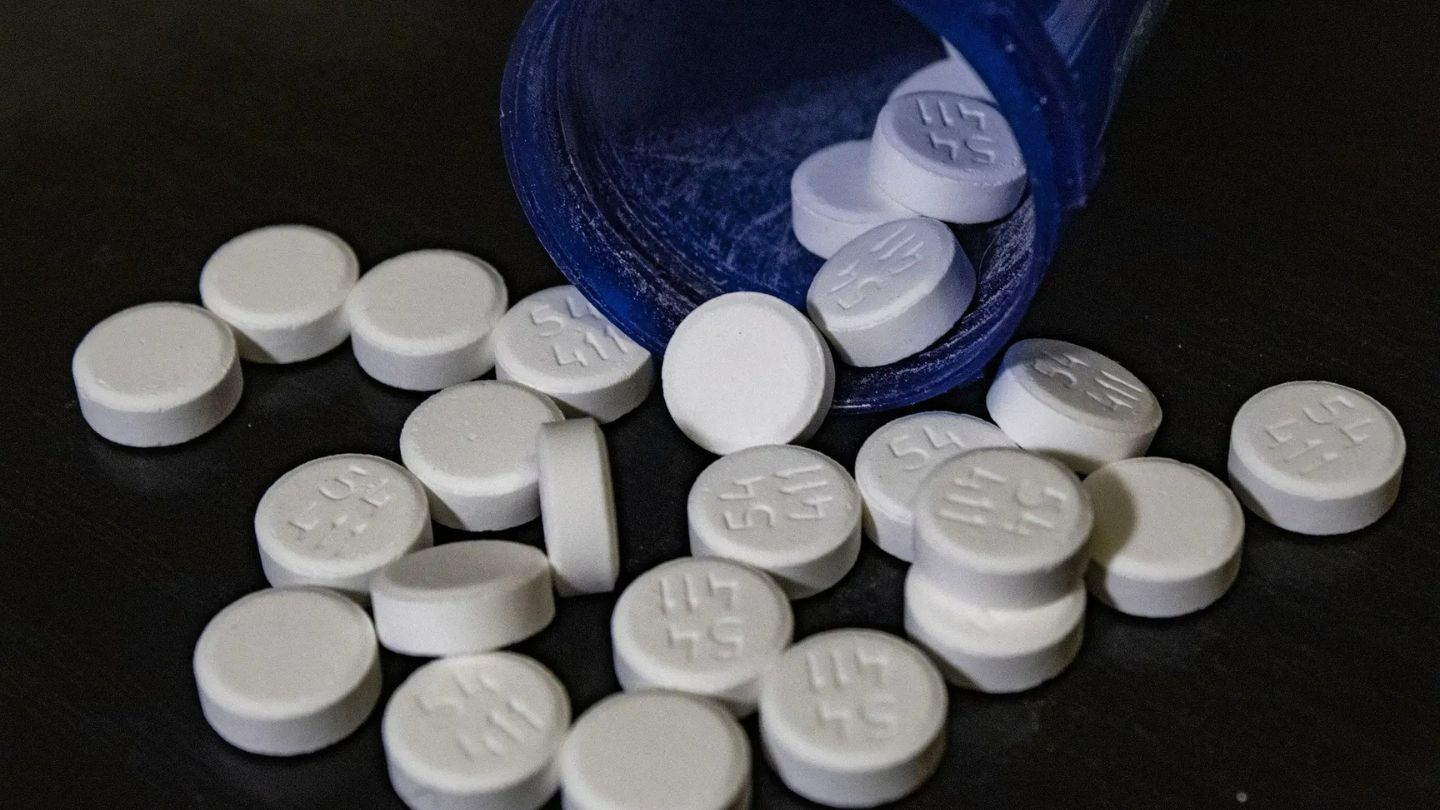
Some patients may develop a dependency on Suboxone beyond its intended medical use. While rare, suboxone addiction is a real possibility and should be managed with additional counseling and support. Working with healthcare providers experienced in opioid addiction treatment ensures that issues of dependency do not hinder overall progress in recovery.
Managing Long Term Suboxone Use
When it comes to Suboxone, long-term success relies on proper management and integration into a broader addiction treatment framework. Here are some practical steps for navigating long term suboxone use responsibly:
-
Regular Medical Oversight
Frequent consultations with your suboxone doctor allow for progress checks, monitoring for common side effects, and adjusting dosage as needed.
-
Therapeutic Support
Combining Suboxone with counseling or behavioral therapy helps patients address the root causes of their opioid addiction and develop coping mechanisms.
-
Custom Tapering Plans
Work with your healthcare provider to devise a gradual reduction strategy to avoid severe opioid withdrawal symptoms.
-
Recognizing Warning Signs
Stay alert for indications of suboxone misuse or dependency and seek help promptly.
The Role of Suboxone in a Broader Treatment Context
When used as part of medication-assisted treatment, Suboxone is a game-changer for managing opiate addiction. It offers individuals a structured pathway to recovery, allowing them to regain control over their lives. Yet, it’s important to view Suboxone as one piece of the larger recovery puzzle. Incorporating therapy, support groups, and relapse prevention strategies creates the best outcomes in the fight against addiction. The length of suboxone treatment varies greatly depending on individual circumstances, such as the severity of opioid dependence, mental health conditions, and personal recovery goals. Tailored approaches ensure that each person receives the right duration of care, whether short-term stabilization or long-term support is needed for sustained recovery.
Seeking Help With Suboxone Treatment
If you’re navigating heroin addiction treatment, struggling with opioid use, or looking for guidance with Suboxone, professional care is essential. Our Suboxone clinic in St. Lucie County provides personalized care plans to support your recovery at every step. Whether you’re starting your treatment or exploring options for tapering, Dr. Mark Leeds, is here to help. Contact our clinic today and take the first step toward a healthier, drug-free future. Together, we’ll help you overcome the challenges of opioid addiction and restore your best self.