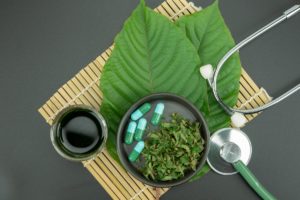
In recent years, tianeptine has emerged as a controversial substance, often found in gas stations and convenience stores across the United States. Originally developed in the 1960s as an antidepressant, tianeptine is not approved by the FDA for medical use in the U.S. However, its growing popularity can be attributed to its perceived mood-enhancing effects and its ability to alleviate anxiety.
The rise of gas station tianeptine reflects a broader trend of individuals seeking alternative substances for self-medication, often without a clear understanding of the potential risks involved. This phenomenon is particularly alarming given the lack of regulation surrounding these products, which are frequently marketed as “natural” or “herbal” remedies. The accessibility of tianeptine at gas stations and convenience stores has made it an attractive option for those looking for quick relief from stress or emotional distress.
Consumers may be drawn to the convenience of purchasing these substances without a prescription, often underestimating the dangers associated with their use. The marketing strategies employed by vendors often downplay the risks, presenting tianeptine as a harmless supplement rather than a potent psychoactive substance. This misleading portrayal has contributed to its rising popularity, particularly among younger demographics who may be more susceptible to experimentation with unregulated drugs.
Unregulated and Unsafe: The Dangers of Shady Pills
Unregulated Production
Unlike pharmaceuticals, tianeptine sold at gas stations is often produced without oversight, leading to inconsistencies in dosage and purity. This lack of regulation means that users may unknowingly consume products that contain harmful additives or contaminants, increasing the risk of adverse health effects.
Risks of Unstandardized Dosing
The absence of standardized dosing guidelines can lead to unintentional overdoses, as individuals may take more than they realize in an attempt to achieve desired effects. Additionally, the marketing of tianeptine as a “natural” or “herbal” supplement can create a false sense of security among consumers.
Reckless Behavior and Life-Threatening Consequences
Many people assume that because a product is available over-the-counter, it must be safe for consumption. This misconception can lead to reckless behavior, as individuals may mix tianeptine with other substances or medications without understanding the potential interactions. The dangers of such combinations can be severe, resulting in life-threatening situations that could have been avoided with proper education and awareness about the risks associated with unregulated substances.
Tianeptine and the Risk of Addiction
One of the most concerning aspects of tianeptine use is its potential for addiction. While it was developed as an antidepressant, tianeptine activates the same mu-opioid receptors that opioid pain medications do. At the high doses found in these products, regular use can be expected to cause tolerance, physical dependence, and an opioid-type withdrawal. Individuals who use tianeptine regularly may find themselves developing a tolerance, requiring increasingly larger doses to achieve the same effects.
This cycle can quickly spiral into addiction, with users feeling compelled to continue taking the substance despite negative consequences on their health and well-being. The addictive properties of tianeptine are particularly troubling given its availability at gas stations and convenience stores. Many individuals may not recognize the signs of addiction until it is too late, as the substance is often perceived as benign due to its over-the-counter status.
The stigma surrounding addiction can further complicate matters, as individuals may be reluctant to seek help or acknowledge their struggles. This creates a dangerous environment where addiction can flourish unchecked, leading to devastating consequences for both individuals and their families.
Health Risks Associated with Gas Station Tianeptine
The health risks associated with gas station tianeptine are numerous and varied, impacting both physical and mental well-being. Users may experience a range of side effects, including nausea, dizziness, and gastrointestinal distress. More severe reactions can include respiratory depression, seizures, and even coma in cases of overdose.
These risks are exacerbated by the fact that many users are unaware of the appropriate dosages or potential interactions with other substances they may be taking. Moreover, long-term use of tianeptine can lead to significant mental health issues. While some individuals may initially turn to tianeptine for relief from anxiety or depression, prolonged use can exacerbate these conditions.
Users may find themselves trapped in a cycle where they rely on the substance for emotional stability, only to experience heightened anxiety or depressive symptoms when not using it. This paradox highlights the complex relationship between substance use and mental health, underscoring the need for comprehensive education on the risks associated with unregulated drugs like tianeptine.
Read more : How Does Addiction Affect Mental Health?
The Legal and Regulatory Challenges of Gas Station Tianeptine
Slowed or stopped breathing, a seizure, or a person who cannot be woken is an emergency. Call 911.
The legal status of tianeptine presents significant challenges for regulation and enforcement. Tianeptine is now a Schedule I controlled substance in Florida and in a growing number of other states, and in 2026 the Drug Enforcement Administration proposed the same classification nationally. Where it has not yet been scheduled, it is still sold without a prescription or oversight. This regulatory gap allows vendors to sell tianeptine with little accountability, contributing to its proliferation in gas stations and convenience stores.
Scheduling has moved one state at a time, which has left consumers in some states exposed while the product stays on the shelves. Furthermore, the lack of comprehensive data on tianeptine’s long-term effects complicates regulatory efforts. Policymakers often rely on scientific research to inform decisions about drug classification; however, the limited studies available on tianeptine’s safety profile hinder efforts to establish clear guidelines for its use.
Advocacy groups and health professionals have called for increased scrutiny and regulation of tianeptine products, emphasizing the need for consumer protection in an increasingly complex landscape of psychoactive substances.
Recognizing the Signs of Tianeptine Abuse
Importance of Early Recognition
Users may find themselves experiencing cravings or withdrawal symptoms when they attempt to cut back or stop using the substance altogether. Understanding these signs is essential for loved ones who wish to support individuals struggling with addiction; early recognition can facilitate timely intervention and access to appropriate resources for recovery.
Seeking Help for Tianeptine Addiction and Health Issues
For those grappling with tianeptine addiction or related health issues, seeking help is a critical step toward recovery. Various treatment options are available, ranging from outpatient counseling to inpatient rehabilitation programs tailored specifically for substance use disorders. These programs often incorporate evidence-based therapies such as cognitive-behavioral therapy (CBT) and motivational interviewing to address underlying issues contributing to addiction while providing coping strategies for managing cravings and triggers.
Support groups can also play a vital role in recovery by offering a sense of community and shared experience among individuals facing similar challenges. Organizations such as Narcotics Anonymous (NA) provide safe spaces for individuals to share their stories and support one another through the recovery process. Additionally, healthcare professionals can offer guidance on managing withdrawal symptoms and developing personalized treatment plans that address both physical and mental health needs.
The Importance of Education and Awareness about Gas Station Tianeptine
Education and awareness are paramount in combating the rising tide of gas station tianeptine use and its associated risks. Public health campaigns aimed at informing consumers about the dangers of unregulated substances can empower individuals to make informed choices about their health. Schools, community organizations, and healthcare providers all play essential roles in disseminating information about tianeptine’s potential risks and promoting healthy coping mechanisms for stress and emotional distress.
Moreover, fostering open conversations about mental health and substance use can help reduce stigma surrounding addiction and encourage individuals to seek help when needed. By creating an environment where people feel comfortable discussing their struggles with mental health or substance use disorders, communities can work together to address these issues more effectively. Ultimately, increased education and awareness about gas station tianeptine will be crucial in protecting public health and ensuring that individuals have access to safe and effective treatment options for their mental health needs.
This article is educational. It is not medical advice, and reading it does not create a doctor-patient relationship. Decisions about starting, continuing, or tapering any medication should be made with your own physician.