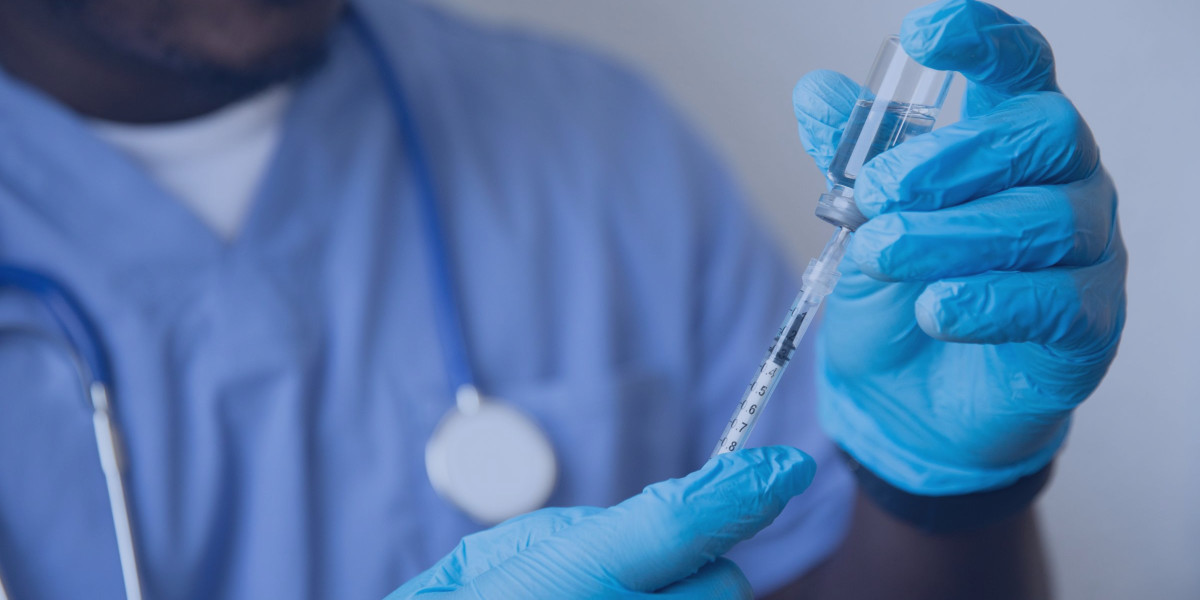
Understanding Naloxone and Its Administration Routes
Naloxone is a life-saving medication used to counteract the effects of opioid overdoses, effectively reversing the potentially fatal symptoms. Quick intervention with naloxone is often crucial as opioid overdoses can significantly slow or even stop breathing. It works by attaching to opioid receptors in the body, displacing the opioid, and blocking its harmful effects on the brain, thus helping the individual begin breathing normally again within minutes. Administering naloxone is straightforward and can be done by bystanders with minimal training. It is available in a few key administration routes: intranasal spray, intramuscular injection, and other injectable methods. The intranasal spray is particularly user-friendly, making it a preferred choice for family members, friends, or bystanders unfamiliar with medical training, while intramuscular and other injectable routes require administering the medication into a muscle, vein, or under the skin. Regardless of the route used, swift action is essential, and calling for emergency medical assistance remains a critical step after administering naloxone.
What is Naloxone?
Naloxone is a crucial medication designed to swiftly reverse the life-threatening effects of opioid overdoses. Often known by its brand name, Narcan®, naloxone acts as an antagonist by binding to the same receptors as opioids in the brain, effectively displacing them and inhibiting their harmful impact. This action rapidly restores normal breathing in individuals experiencing an overdose, potentially saving their lives within minutes of administration. While naloxone is not a long-term treatment solution for opioid use disorder, it serves as a temporary but critical intervention in emergency situations. With its ability to combat a range of opioids like morphine, fentanyl, and oxycodone, naloxone is an invaluable tool for emergency responders and bystanders alike. Though naloxone is safe to use even if an overdose isn’t definitively confirmed, it’s imperative to follow the administration with a call for emergency medical help to ensure continuous monitoring and further medical care for the individual affected. In addition to being used for reversing overdoses, naloxone is also combined with buprenorphine in the Suboxone sublingual film, used to treat opioid addiction and opioid dependence.
How Naloxone Saves Lives
Naloxone administration plays a vital role in saving lives during opioid overdose emergencies. When opioids are present in the system, they can severely depress the central nervous system, leading to slowed or stopped breathing which is life-threatening. Naloxone acts quickly to reverse this effect by binding to opioid receptors more strongly than the opioids do, effectively kicking them out and blocking their action. This immediate intervention helps restore normal respiratory function within just a few minutes. Naloxone is designed specifically for opioid overdoses, making it ineffective against other types of drug overdoses; however, it is not harmful if administered when an opioid overdose is only suspected. With the potential to wear off within 30 to 90 minutes, ongoing medical support is crucial after administering naloxone. Thus, timely administration followed by professional medical care creates a critical window that can prevent fatal outcomes and gives the individual a chance for recovery. This life-saving medication has become a standard carry for many emergency responders and is increasingly accessible to the public, emphasizing the vital need for immediate action in overdose situations.
Why Naloxone is Critical During Opioid Overdoses
During an opioid overdose, the body’s vital systems, particularly respiration, are dangerously compromised, leading to potentially fatal outcomes. Naloxone serves as a crucial intervention in these emergencies by promptly reversing the effects of opioids that have caused respiratory depression. It acts by competently binding to the opioid receptors in the brain, displacing the opioids, and effectively blocking their action, which quickly restores normal breathing patterns. This swift response is crucial, as time is of the essence in overdose situations — lack of oxygen can lead to brain damage or death within minutes. Despite its lifesaving capabilities, naloxone is a temporary measure; its effects can diminish in 30 to 90 minutes, necessitating immediate medical assistance post-administration. Furthermore, given its safety profile and efficacy, naloxone is widely available to first responders and increasingly to the public, empowering individuals to act promptly in preventing overdose fatalities. Recognizing when and how to use naloxone and ensuring immediate follow-up care are vital components in managing opioid overdoses effectively, underscoring its critical role in community health responses to the opioid crisis.
Common Routes for Administering Naloxone
Naloxone can be administered through various routes to quickly counteract the effects of an opioid overdose, ensuring flexibility in emergency situations and accessibility for both medical professionals and laypeople. The most commonly preferred method due to its simplicity and ease of use is the intranasal spray. This prefilled and prepackaged device allows for swift delivery of the medication directly into the nasal passages, making it an ideal choice for individuals without medical training. Additionally, it minimizes the risk of needlestick injuries, offering a safer alternative for bystanders or family members administering the drug. Another prevalent route is the intramuscular injection, which requires the naloxone to be injected into a muscle — typically, the upper arm or the thigh. This method comes with a needle and vial of medication, offering a reliable choice in settings where a nasal spray is unavailable. Lastly, naloxone can also be administered via an intravenous or subcutaneous route by healthcare professionals, ensuring versatility in its administration. Regardless of the method chosen, it is imperative to immediately call for emergency medical assistance, as naloxone acts as a temporary measure and further medical intervention is paramount in ensuring the individual’s safety and recovery.
Intranasal Administration
The intranasal administration of naloxone offers a straightforward and non-invasive method for counteracting opioid overdoses. This route utilizes a prefilled, prepackaged nasal spray device designed for easy and quick application, making it a preferred choice among family members, friends, and bystanders who may not have formal medical training. Administering naloxone intranasally involves placing the device into one nostril and pressing the plunger to release the medication, which then rapidly enters the bloodstream through the nasal mucosa. This method is effective in delivering naloxone swiftly, allowing the individual to begin breathing normally again within minutes. The ease and speed of this route not only make it accessible for immediate use during emergencies but also reduce potential barriers for those who may hesitate to intervene. Importantly, even though the nasal spray is user-friendly, it is vital to call for emergency assistance immediately after administering naloxone, as professional medical evaluation and care are essential to address the full scope of the overdose and prevent further complications.
Intramuscular Injection
The intramuscular injection of naloxone is a widely utilized method providing an effective route for reversing opioid overdoses. This approach involves administering the medication directly into a muscle, commonly the upper arm or outer thigh, using a needle and vial. The intramuscular route is particularly reliable in ensuring the rapid absorption of naloxone into the bloodstream, which facilitates a quicker onset of action to restore normal breathing. Despite its straightforwardness, some basic understanding of injection techniques is beneficial, though the process is generally uncomplicated even for those with limited experience. This method proves advantageous in settings where the intranasal spray may not be available, offering flexibility and accessibility in diverse emergency situations. It is crucial to monitor the individual closely after the injection and to promptly seek emergency medical help because naloxone’s effects are temporary and may require further doses or medical intervention. Adopting these protocols ensures that naloxone’s administration is both effective in the moment and part of a broader life-saving response to opioid overdoses.
Other Injectable Methods
Beyond intramuscular injection, naloxone can also be administered intravenously or subcutaneously, offering additional options for healthcare professionals during opioid overdose emergencies. The intravenous route involves injecting naloxone directly into a vein, which ensures the fastest possible action, typically reserved for clinical settings where immediate intervention is critical. This method allows precise dosage control and rapid reversal of overdose symptoms, making it ideal for severe cases where swift restoration of normal breathing is paramount. The subcutaneous route, on the other hand, involves injecting the medication under the skin, providing an alternative when muscle or vein access is challenging or unavailable. While it might not act as quickly as intravenous administration, it still offers a viable option for effective naloxone delivery. Each of these injectable methods requires proficiency in medical techniques and is typically carried out by trained healthcare providers. Regardless of the method used, the primary goal is to ensure the individual’s safety by swiftly reversing the effects of the overdose and securing prompt follow-up medical care.
Training and Safety Precautions
While naloxone is a powerful tool in responding to opioid overdoses, its effective use is significantly enhanced by proper training and adherence to safety precautions. Individuals, especially family members or bystanders who could potentially administer naloxone, should seek training opportunities to familiarize themselves with the medication’s use and administration. Many community organizations and healthcare providers offer quick and accessible training sessions that cover essential knowledge and practical skills necessary for confidently handling emergency situations. It’s crucial to understand the correct dosage, administration techniques, and the importance of continuously monitoring the individual while waiting for emergency personnel. Additionally, safety is paramount; using protective gloves and ensuring a clean environment for administering injections can prevent potential transmission of infections. Overall, by prioritizing training and safety measures, individuals are better equipped to use naloxone responsibly and effectively, enhancing their ability to contribute to life-saving efforts during opioid overdoses.
Training for Bystanders
Training for bystanders in administering naloxone is a crucial step in empowering communities to effectively combat opioid overdoses. Given that timely intervention can be lifesaving, equipping non-medical individuals with the skills to recognize overdose signs and administer naloxone efficiently is essential. Training programs, often provided by local health organizations or pharmacies, focus on practical guidelines for administering the medication, recognizing opioid overdose symptoms, and understanding the importance of calling for emergency medical help immediately. These educational sessions are designed to be quick and accessible, ensuring that even those without prior medical knowledge can become proficient in naloxone use. Real-life demonstrations and hands-on practice bolster confidence, preparing participants to act decisively during emergencies. Moreover, trainers emphasize safety precautions such as wearing gloves and ensuring a safe environment for administration to protect themselves and the patient. By engaging in these training programs, bystanders become vital contributors to community health, capable of delivering immediate care and potentially saving lives in critical moments.
Safety Tips for Using Naloxone
Using naloxone to counteract opioid overdoses can be a lifesaving action, but it’s crucial to follow safety tips to ensure its effective and safe application. First and foremost, always follow the instructions provided with the naloxone product, as incorrect administration could reduce its effectiveness. Make sure to store naloxone at room temperature and check expiration dates regularly to ensure its potency when needed. When administering naloxone, use protective gloves to minimize the risk of transmitting infections and to maintain hygienic conditions. If using an injectable form, dispose of needles safely after use in a designated sharps container to prevent accidental injuries. It’s also important to be aware that naloxone’s effects are temporary; its duration lasts only 30-90 minutes, during which time the person should be continuously monitored for reoccurrence of overdose symptoms. Additionally, always call for emergency medical help immediately after administering naloxone, as professional medical support is essential for proper evaluation and potential further treatment. Finally, seek training to enhance your confidence and competence in administering naloxone. Following these safety tips not only ensures effective naloxone use but also safeguards the well-being of both the administrator and the individual in distress.
What to Do After Administering Naloxone
Administering naloxone is a critical first step in responding to an opioid overdose, but it is essential to follow up with appropriate actions to ensure the individual’s continued safety and recovery. Immediately after administering naloxone, call for emergency medical assistance. This is vital because while naloxone acts quickly to reverse the overdose effects by restoring breathing, its effects are temporary, lasting only 30 to 90 minutes. During this time, the individual may experience a return of symptoms as the naloxone wears off, necessitating further medical intervention. While waiting for emergency personnel, monitor the person closely, noting any changes in their condition. If they do not respond to the initial dose within 2-3 minutes, administering a second dose may be necessary. It is crucial to keep the individual on their side in a recovery position to prevent choking, especially if they are unconscious or semi-conscious. Be prepared to provide information to emergency responders about the situation and any administered doses of naloxone. Continuous monitoring and swift actions after naloxone use are pivotal in ensuring the individual remains stable and receives the comprehensive care they need to avert fatal outcomes and facilitate potential recovery.
Emergency Steps and Monitoring
After administering naloxone to someone experiencing an opioid overdose, immediate focus should shift to ensuring their continued safety and stabilizing their condition. It’s critical to call emergency medical services right away, as naloxone offers only a temporary reprieve from the overdose effects, typically lasting between 30 to 90 minutes. Professional medical evaluation is essential because the person may slip back into overdose symptoms once the naloxone wears off. While awaiting emergency responders, monitor the individual closely, ensuring they are breathing and have regained consciousness. If their condition does not improve within 2-3 minutes of the initial naloxone dose, a second dose may be necessary. Place the individual in a recovery position on their side to prevent them from aspirating, particularly if they are semi-conscious or unconscious. Throughout this period, be vigilant for any signs of recurring overdose symptoms and provide any relevant information about the situation to emergency personnel upon arrival. These steps are vital in extending the window of opportunity for full recovery and aiding medical teams in providing comprehensive care.