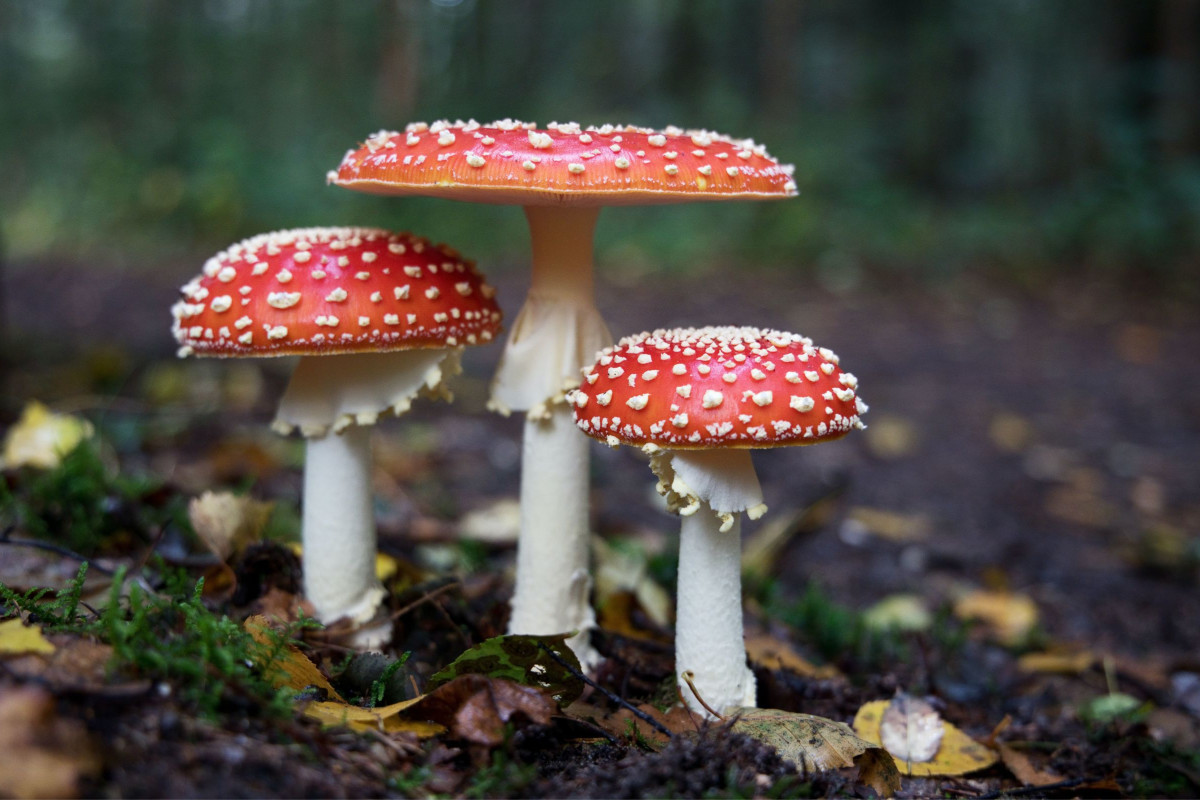
How effective is psilocybin for alcohol treatment compared to naltrexone, an opioid blocker approved to treat alcohol use disorder, alcohol dependence, and gray area drinking?
Psilocybin therapy has been discussed frequently in health-related news recently. While psychedelic medicine therapies with this drug, derived from psychedelic mushrooms, have mostly focused on depression and end of life treatments, there is renewed interest in how it might help to reduce heavy drinking.
The idea of using psilocybin treatment for alcohol abuse and alcohol addiction is not new. In early 2015, Dr. Michael Bogenschutz published an article in which psilocybin-assisted therapy was used to treat alcohol misuse.
Dr. Bogenschutz, with his early study of psilocybin assisted treatment for alcohol use disorder, opened the door for further investigation into the potential of this psychedelic drug as a study medication, to be tested for its efficacy in reducing heavy drinking days and overall alcohol consumption.
Today, there are major research centers hosting research departments that use this psychedelic substance, psilocybin, in studies to test how well it might work for addictions, depression, anxiety, and other mental health conditions, in conjunction with psychotherapy. There is Johns Hopkins University, NYU Langone Center at New York University, and others.
JAMA Psychiatry, and other major medical journals, have published articles on the use of psychedelics, including psilocybin, for treating addiction. Each new clinical trial seems to reveal that the psilocybin group receives clear benefits from the psilocybin session, in addition to talk therapy.
What does the Alcoholics Anonymous organization think of drugs for alcohol, such as psilocybin and naltrexone?
First, we should be clear that naltrexone is a prescription drug which has been FDA approved for treating alcohol use disorder for decades. Naltrexone is non-habit forming, and it generally has few, if any, mind or mood altering effects.
Psilocybin, on the other hand, is a Schedule I drug, which implies that it might have a very high abuse potential. The federal government considers drugs in this category to be very dangerous and have no health benefits.
Cannabis is also a Schedule I drug, yet states have fought to legalize it for medical use. Psilocybin may be on a path towards legalization, and possibly removal from the schedule I list.
While many 12-step groups, such as Alcoholics Anonymous and Narcotics Anonymous, tend to be against the use of medications for treating addiction, the founder of AA was in favor of medication-assisted treatment. There are stories of Bill Wilson, the founder of AA, speaking with top medical experts regarding medications that might reduce alcohol cravings and compulsive alcohol use.
There are stories of Bill Wilson having an interest in psychedelic assisted therapy. Some people claim that Bill W. used psychedelics personally as end-of-life therapy.
While the Alcoholics Anonymous organization may not have an official position on the use of drugs for alcoholism, such as psilocybin or naltrexone, many groups are still wary of any medical treatment for alcohol addiction. Narcotics Anonymous does have an official position against the use of medications in treating drug addiction.
How would psilocybin assisted therapy fit in with naltrexone therapies, such as The Sinclair Method?
The traditional method of quitting alcohol was to quit cold turkey. Many heavy drinkers suffer from severe, life-threatening withdrawal symptoms when they stop alcohol consumption suddenly.
In order to help alcoholics get sober, alcohol detox facilities use tranquilizers and around-the-clock observation to protect the safety of their clients. Quitting alcohol cold turkey puts a serious strain on the brain and body.
What if an alcoholic could reduce their alcohol intake gradually? As with other drugs that create physical dependencies, tapering gradually off of alcohol is the safer option.
Naltrexone is the key to making tapering from alcohol possible for many people. They follow a protocol known as The Sinclair Method , which is simply taking a naltrexone tablet one hour before having a drink.
Naltrexone combined with alcohol reduces cravings and compulsions. Over time, many people who follow TSM are able to reduce their alcohol consumption and eventually quit drinking.
Does psilocybin have a place in the TSM protocol? Could psilocybin assisted treatment make a difference in the TSM success rate?
One patient I saw for naltrexone therapy for alcohol use disorder told me a story of psilocybin use, just weeks before his appointment. He described a meeting of friends for a group psilocybin session.
Of course, use of psychedelics in non-clinical settings is risky and potentially dangerous. Fortunately, the patient did not have any adverse reactions during his experience.
He did describe a deep insight into his excessive alcohol use and a desire to make a change in his life. After ingesting psilocybin, he was determined to move forward in seeking medical treatment for alcoholism.
So, in the case of this particular patient, psilocybin, in the form of magic mushrooms, did not reduce his cravings for alcohol, and his compulsion to keep drinking. Yet, it helped him move through the stages of recovery, past precontemplation and contemplation, to a place where he was ready to start medical therapy.
Can psilocybin be taken together with naltrexone?
Again, psilocybin is an experimental drug at this point, and is not approved for human consumption outside clinical studies. The information regarding drug interactions is limited.
Naltrexone is a potent opioid receptor blocker. While psilocybin is not an opioid, it may have some effects on the opioid receptors.
Ketamine is another psychedelic drug that shows promise in treating addiction, depression, anxiety, and other conditions. Interestingly, ketamine is known to have some activity at the opioid receptors, which is thought to be related to its efficacy in treating depression.
While psilocybin is a very different drug from ketamine, we cannot yet say definitely what might happen if the drug were to be taken simultaneously with naltrexone. Still, there are some anecdotal reports of people who take prescribed naltrexone and have tried taking psilocybin at the same time.
These people have generally reported that naltrexone seemed to make psilocybin less effective. They reported that the psychedelic effects were noticeably reduced.
At this point, the only setting in which a person should be ingesting psilocybin is in a controlled clinical study. Otherwise, the drug is not approved at all for human use, and it may lead to harmful outcomes if used recreationally.
Is it possible that psilocybin may be a better treatment than naltrexone for alcohol use disorder?
While it is too early to determine where psilocybin treatment will ultimately fit in with other addiction treatments, it appears that it may be useful in conjunction with other treatments. Naltrexone is one of several currently FDA-approved medications used to treat alcohol use disorder, and it is one of the most effective.
Yet, naltrexone has been demonstrated to work best as a harm reduction tool and a tapering tool, to help people reduce alcohol consumption, with fewer cravings and compulsions. Naltrexone does not work great for cold-turkey alcohol quitters, but it works exceptionally well for alcohol tapering.
We may find that psilocybin will have a similar usefulness with respect to alcohol treatment. It is hard to imagine a psychedelic trip being tolerable during the severe discomfort of alcohol withdrawal after quitting cold turkey. Yet, it may help alcoholics and gray area drinkers to gain a new perspective on their relationship with alcohol.
In fact, the best use for psilocybin, and other psychedelic therapies, for treating alcohol addiction, may be in helping the patient move through the stages of early recovery to the point where they are ready to move forward with medical and psychological therapy. The same may be true for other addiction treatments.
For many people suffering in active addiction, the most difficult part of overcoming addiction is getting to the point of being willing to ask for help and to accept help. If psilocybin therapy can help patients in this regard, it may be a highly useful component of medical addiction treatment in the future. For more information on addiction treatment contact Dr. Mark Leeds.