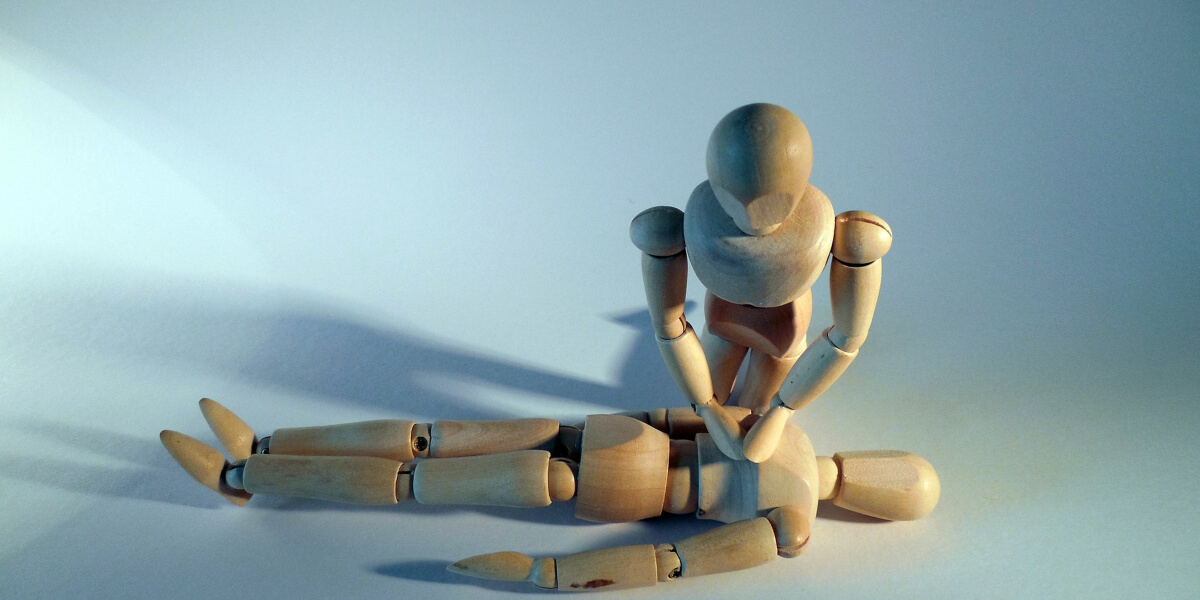
How To Save A Life
I was watching a CPR video this morning. The American Heart Association produced this short and simple YouTube video. While it demonstrated the basics of saving a non-responsive person, my thoughts immediately went to using Narcan as a part of CPR.
Where does Naloxone fit in? Is using Narcan appropriate as part of CPR protocol?
Narcan, also known as naloxone, is a life saving opioid blocker and a part of harm reduction for opioid users. Hence, it can be given to a non-responsive person who is overdosing on heroin or another opiate or opioid. So, I wondered, during the process of performing CPR, would the person on the ground have a better chance to survive if Narcan were given right away?
How do you know if a person is overdosing?
If you are with a person while they are using opioids and suddenly that person loses consciousness, you will have a pretty good idea of what caused the problem. In this case, giving Narcan is an easy decision. Therefore, if you have Narcan available, you give it. On the other hand, what if you discover the person on the ground, unresponsive, and you do not know the cause?
Look for clues.
In your initial assessment of the patient, look around. Is there a syringe in the patient’s arm or other part of their body? Or, maybe the syringe or drug materials are in the area. At this point, I should say that you must be very careful if you think you are witnessing an opioid overdose. Opioids today can be extremely potent. Still, touching a person who is overdosing will not cause you to overdose, and brief skin contact with an opioid powder is very unlikely to harm you. Do not let that fear stop you from helping. Avoid handling any needle or powder you see, and if powder does get on your skin, wash it off with soap and water.
So, what if there are no clues?
Here is the place where we must consider changing CPR protocol. One of the current steps is to have a bystander call 911 and look for a nearby AED. What if you were to also ask them to locate Narcan if possible? It can’t hurt to include a local Narcan search in the protocol. Now, what about using narcan at this point?
Weighing risks and benefits.
At this stage, we need to consult the experts. Would it hurt, using Narcan in a patient who may or may not be overdosing? This is an excellent question. For a person who is overdosing, it may save their life. For a person who takes no opioids, it would likely have no effect. Still, adverse drug reactions are always possible.
Important questions need to be answered.
So, I definitely am not recommending giving narcan in a way that the experts have not approved. One fact to note is that it is the American Heart Association that educates the public on how to perform CPR. Therefore, their focus is on resuscitating a person who’s heart is not functioning properly, or they were drowning or choking. Bystander guidance for responding to a suspected opioid overdose now includes naloxone. So, if you find someone unresponsive, call 911 first, give Narcan if it is available, and start CPR as the 911 dispatcher directs. If the person does not wake up after two to three minutes, a second dose can be given.
This article is educational. It is not medical advice, and reading it does not create a doctor-patient relationship. Decisions about starting, continuing, or tapering any medication should be made with your own physician.