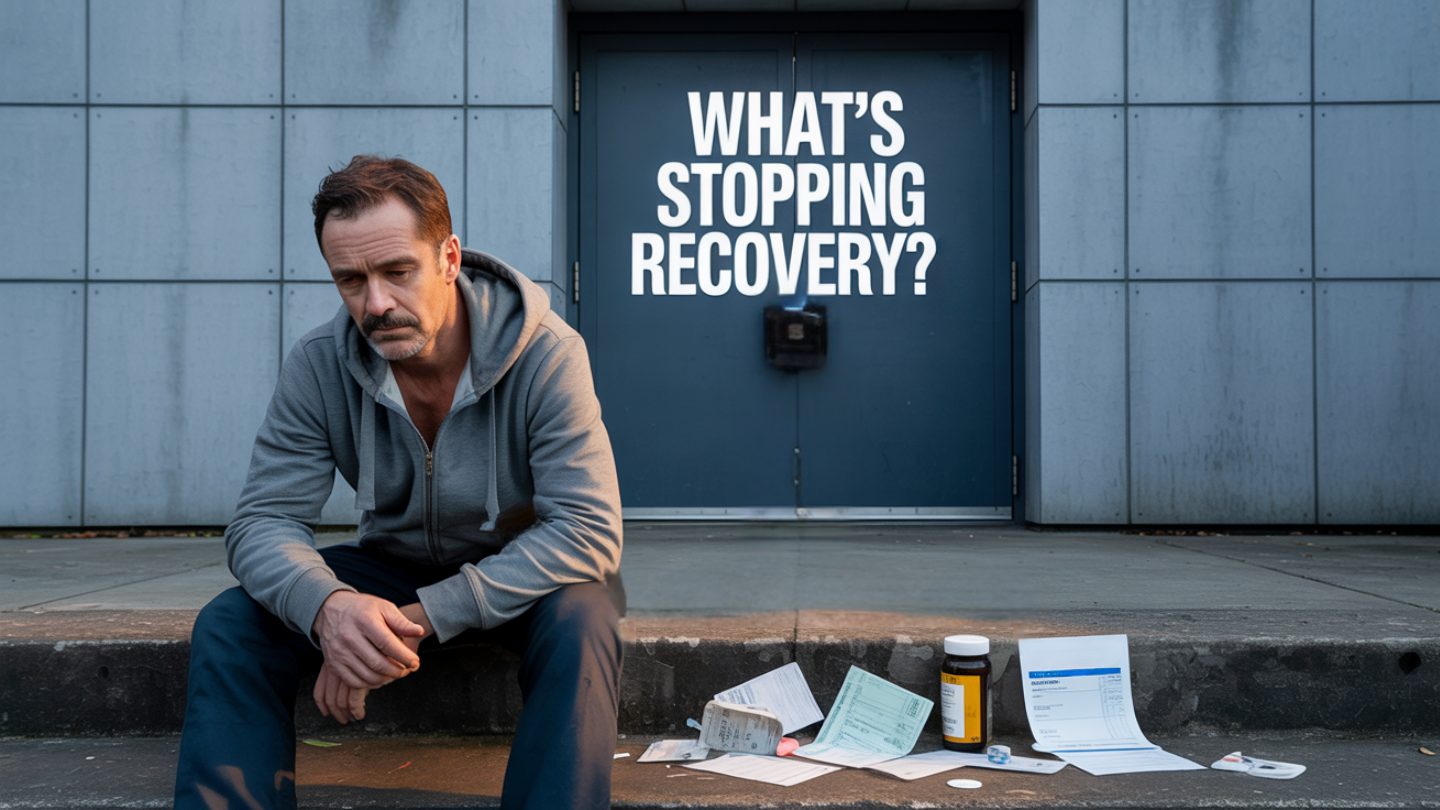
Gaining freedom from addiction is a monumental step toward achieving a healthier, more fulfilling life. However, the road to recovery is often lined with challenges that make addiction treatment and sustaining recovery difficult for many individuals. These challenges, or common barriers to addiction treatment, range from emotional to logistical, and they can impact a person’s ability to start and stay on the path to recovery. Understanding these barriers and exploring solutions can help individuals, families, and communities better support those struggling with addiction.
Financial Challenges in Seeking Treatment
One of the most widespread barriers in addiction recovery is financial strain. Addiction treatment services, such as rehab facilities, therapy sessions, and medication-assisted treatment (MAT), can be costly. For individuals without quality health insurance, the expenses of treatment options can be overwhelming. Even for those with insurance, limits on coverage for substance use treatment or confusion about benefits can delay accessing addiction treatment.
Sliding scale payment plans and public assistance programs can mitigate these financial barriers, but fear of debt still keeps many people from pursuing the treatment services they need. Making addiction treatment more affordable and transparent is a critical step toward helping more people achieve recovery.
The Stigma Around Addiction
Social stigma plays a significant role in discouraging individuals from seeking addiction treatment. The pervasive judgment surrounding substance abuse often leaves people feeling ashamed to admit they have a problem. This societal judgment can lead to internalized feelings of unworthiness, further preventing individuals from reaching out for help.
Overcoming stigma requires a cultural shift in how we discuss addiction as a disorder. Education campaigns and open conversations about substance use disorder can help break down the biases that discourage individuals from pursuing a healthier life. Support systems that emphasize compassion over criticism also play a pivotal role in encouraging recovery.
Lack of Awareness and Understanding of Addiction Treatment
For many individuals, not knowing where to start adds another layer of difficulty to overcoming addiction. A person might not recognize the severity of their disorder or might be unaware of the treatment options available, such as counseling, group therapy, or medication-assisted treatment.
Similarly, misconceptions about the recovery process can prevent people from taking the first step. For instance, some individuals wrongly assume that rehab offers only rigid, one-size-fits-all programs. By providing clear, accessible information about addiction treatment centers, recovery services, and personalized treatment programs, communities can help remove this barrier.
Co-Occurring Mental Health Disorders

Addiction and mental health are closely intertwined. Many people battling substance use disorder also experience co-occurring mental health disorders, such as depression, anxiety, or PTSD. These mental health challenges often act as roadblocks in recovery, as untreated disorders can exacerbate substance use, creating a vicious cycle.
Seeking treatment that integrates both mental health therapy and substance abuse treatment is critical for achieving long-term recovery. Known as dual-diagnosis treatment, this approach simultaneously addresses substance use disorders and underlying mental health conditions.
To learn more about the connection between substance abuse and mental health, check out this insightful resource. Understanding this interconnection can empower individuals to explore solutions tailored to their unique needs.
The Fear of Withdrawal Symptoms
The fear of withdrawal symptoms is one of the most immediate barriers to sobriety. Physical withdrawal symptoms, such as nausea, sweating, and tremors, along with psychological withdrawal symptoms like anxiety and irritability, can make the idea of quitting incredibly daunting. This fear often keeps individuals stuck in active addiction.
Fortunately, medical detox programs are designed to help alleviate withdrawal symptoms under supervision, ensuring individuals can begin their recovery as safely and comfortably as possible. Still, individuals need to know that such programs are available to overcome this common barrier.
Limited Accessibility of Treatment Services
Accessibility continues to be a significant challenge in addiction recovery. Some individuals live in areas where addiction treatment centers are scarce, requiring significant travel to access care. Others may face issues related to limited treatment program availability or long waitlists, especially in densely populated areas.
Even logistical issues such as transportation, childcare, or strict work schedules can prevent people from attending rehab or therapy sessions regularly. Telehealth services and extended treatment hours are vital solutions for making addiction treatment more inclusive and accessible to everyone.
Addiction and mental health are deeply interconnected, often creating a cycle of dependency and emotional challenges. Substance use can exacerbate conditions like anxiety and depression, while untreated mental health disorders can fuel addiction. Addressing both through integrated treatment is essential for lasting recovery.
Lack of a Support System

A supportive network can be a deciding factor in someone’s success in recovery. Unfortunately, not everyone struggling with addiction has family or friends who can provide encouragement. Isolation, strained relationships, or environments that enable substance use are common barriers to addiction recovery.
Support groups, such as Alcoholics Anonymous or peer-led counseling, can help bridge this gap. Programs encouraging social support not only provide accountability but also foster camaraderie and a sense of belonging among those navigating similar challenges.
Fear of Life Without the Substance
Substance abuse often becomes intertwined with daily routines, relationships, and coping mechanisms. For those in recovery, the thought of losing these patterns or confronting life’s challenges without the crutch of drugs or alcohol can be intimidating. Many individuals fear change, even if they understand that recovery is necessary for their well-being.
Focusing on relapse prevention strategies, including building healthy coping skills and planning for triggers, helps individuals feel more prepared for life after addiction.
Denial and Resistance to Treatment
Denial is another psychological barrier preventing people from seeking substance abuse treatment. A person in denial might minimize their addiction’s impact, rationalize their behavior, or perceive recovery as unnecessary. Phrases like “I can quit anytime” often reflect this resistance.
Motivational interviewing and tailored interventions can be effective tools to work through denial and inspire a readiness for change. A compassionate, non-judgmental approach to these conversations is vital in helping each individual feel safe to explore treatment options.
Overcoming the Barriers to Addiction Treatment
Despite the innumerable challenges in addiction recovery, solutions exist to make treatment more accessible, effective, and empowering. Addressing financial hurdles, reducing stigma, increasing education, and expanding access to personalized treatment programs are steps we can take as a community to support those struggling with addiction and mental illness.
By providing tailored recovery services, addiction treatment centers can offer comprehensive care that meets each person’s unique needs. Evidence-based options, such as medication-assisted treatment and dual-diagnosis care, further enhance long-term recovery outcomes.
Take the Next Step in Your Recovery Journey
If you or someone you know is navigating these challenges in addiction recovery, remember you don’t have to face them alone. Dr. Mark Leeds, is here to guide you every step of the way with personalized support, resources, and strategies for lasting success.
Our addiction recovery coach in Fort Lauderdale is ready to help you reach your goals and overcome the barriers keeping you from recovery. Contact us today to learn how we can tailor a recovery plan just for you. Together, we’ll work toward a future filled with health, hope, and healing. Reach out to us now to start your transformation.